


Cardiac MRI - The Heart Test Your Cardiologist Isn't Telling You About
Discover why Cardiac MRI might be the life-saving heart diagnostic test your cardiologist hasn't mentioned. While standard ECG, stress tests, and echocardiograms show surface-level heart function, Cardiac MRI reveals hidden dangers other tests completely miss—including silent heart attacks, dangerous scarring, myocarditis, and structural abnormalities that predict sudden cardiac death. This comprehensive guide explains what Cardiac MRI actually detects, real patient stories where it prevented tragedy, specific symptoms requiring advanced imaging, and why cost and availability keep it underutilized despite its diagnostic superiority. Learn when to demand this test, what happens during the 45-60 minute scan, how to interpret results, and the critical question to ask your cardiologist tomorrow. If you're experiencing unexplained chest pain, fatigue, or shortness of breath with "normal" test results, Cardiac MRI could reveal what's truly happening inside your heart before it's too late.

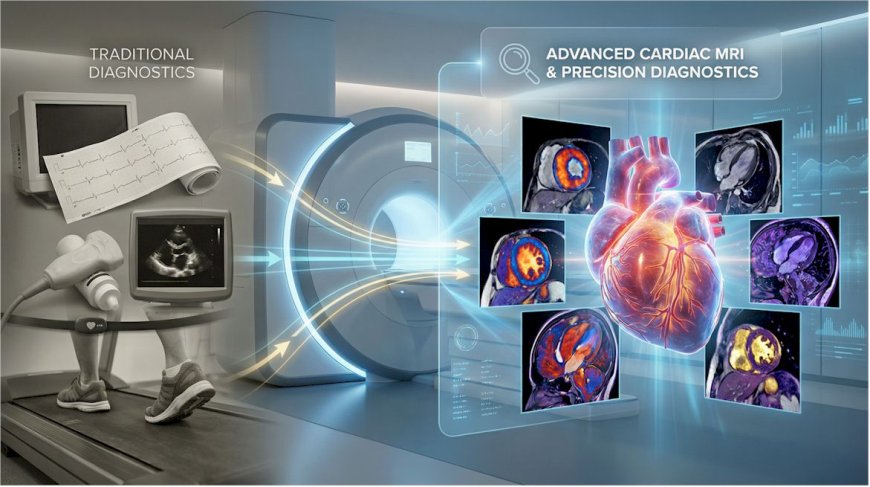
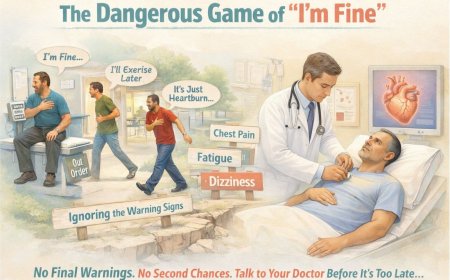
Your cardiologist just ordered an ECG, maybe a stress test, perhaps an echo. You're nodding along, assuming these are the gold standard tests. But here's what they might not be telling you: there's a diagnostic tool that can see things these standard tests completely miss. It's called Cardiac MRI, and it might be the difference between catching your heart problem early or discovering it too late.
Why You've Never Heard of Cardiac MRI (And Why That's a Problem)
Let me guess what happened at your last cardiology appointment:
- Quick ECG while lying down for 2 minutes
- Maybe a treadmill stress test
- Perhaps an echocardiogram with that cold gel
- "Everything looks fine, see you in six months"
You walked out feeling reassured. Your heart is "fine."
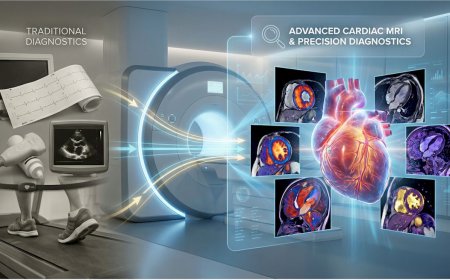
But here's the uncomfortable truth: those tests only show part of the picture. They're like taking a photograph of a house from the street and assuming you know everything about what's happening inside.
Cardiac MRI? That's like getting architectural blueprints, thermal imaging, and a structural engineer's report all in one.
The problem is, most patients never hear about it until something goes seriously wrong.
What Cardiac MRI Actually Does?
Forget the medical jargon for a moment. Here's what Cardiac MRI really does:
It creates detailed, three-dimensional moving images of your heart using powerful magnets and radio waves. No radiation. No invasive procedures. No cutting.
Think of it this way: if a regular echocardiogram is like watching your heart on a grainy old TV, cardiac MRI is like watching it in 4K high definition with every detail visible.
What it reveals that other tests can't:
- The exact amount of damage from a previous heart attack (even one you didn't know you had)
- Scarring in the heart muscle that predicts future problems
- Inflammation in the heart tissue (myocarditis) that other tests completely miss
- Structural abnormalities you were born with but never knew about
- The precise thickness of heart walls and chambers
- How well blood flows through your heart in real-time
- Early signs of heart muscle disease before symptoms appear
Standard tests tell you if your heart is working. Cardiac MRI tells you why it's not working optimally and what's coming next.
The Stories Your Cardiologist Has Seen (But Hasn't Told You)
Priya's Story:
45-year-old woman. Shortness of breath for months. ECG normal. Stress test normal. Echo showed "mild abnormalities."
Her cardiologist was puzzled. The symptoms didn't match the test results. Finally ordered a cardiac MRI.
Result: Significant scarring in her heart muscle from an undiagnosed viral infection years ago. She was walking around with 40% dead heart tissue.
The cardiac MRI saved her life by revealing what every other test missed.
Vikram's Story:
52-year-old businessman. "Mild fatigue" for six months. All standard tests normal. Doctors blamed stress and age.
His wife insisted on a second opinion. New cardiologist ordered cardiac MRI.
Finding: Hypertrophic cardiomyopathy (thickened heart muscle). A condition that causes sudden cardiac death in apparently healthy people. Completely invisible on standard tests in early stages.
He's now on proper treatment and monitoring. The cardiac MRI literally may have been the life saver.
When You Actually Need Cardiac MRI (And Your Doctor Should Be Ordering It)
Standard tests are fine for routine screening. But cardiac MRI becomes essential when:
You're experiencing unexplained symptoms:
- Shortness of breath that shouldn't be happening
- Palpitations or irregular heartbeats without clear cause
- Chest pain that comes and goes but standard tests show nothing
- Unexplained fatigue that's affecting your life
Your standard tests show something "unclear":
- Echo images that are difficult to interpret
- Conflicting results from different tests
- Abnormalities that don't match your symptoms
You have specific risk factors:
- Family history of sudden cardiac death
- Genetic heart conditions in your family
- Previous heart attack with unclear extent of damage
- Suspected heart muscle disease
- Suspected pericardial disease
- Planning for major surgery and need precise cardiac assessment
You're a competitive athlete or highly active person:
- Need clearance for intense physical activity
- Unexplained decline in athletic performance
- Family history making sports risky without proper screening
The Real Reason Your Doctor Hasn't Mentioned It
Let me be direct about this: cardiac MRI isn't ordered more often for three main reasons.
Cost: It's expensive. In India, ₹15,000 to ₹40,000 depending on the facility. Insurance coverage varies. Doctors hesitate to recommend expensive tests unless absolutely necessary.
Availability: Not every hospital has cardiac MRI capability. It requires specialized equipment and trained radiologists. You might need to travel to a larger medical center.
Time: The scan takes 45-60 minutes. You need to lie still. You're inside a narrow tube. Some people find it claustrophobic. Standard tests are quicker and easier.
But here's what they should be telling you: if there's genuine diagnostic uncertainty about your heart, the cost and inconvenience are nothing compared to missing a serious condition.
What Actually Happens During a Cardiac MRI
Let's demystify the process because fear of the unknown stops many people from getting this life-saving test.
Before the scan:
- You remove all metal objects (jewelry, watches, phones)
- Change into a hospital gown
- An IV line is placed for contrast dye (in most cases)
- Electrode patches attached to monitor your heart rhythm
- You'll receive clear breathing instructions
During the scan:
- You lie on a table that slides into a large tube (like a tunnel)
- Loud knocking and buzzing sounds (you'll wear headphones)
- You'll need to hold your breath for 10-15 seconds at a time
- The machine takes pictures during these breath-holds
- Contrast dye injected through IV partway through (feels warm, not painful)
- Total time: 45-60 minutes
After the scan:
- IV removed
- You can eat, drink, and resume normal activities immediately
- Results typically available within 24-48 hours
Who cannot have cardiac MRI:
- People with certain pacemakers or defibrillators (though newer devices are often MRI-compatible)
- Those with metal implants, clips, or foreign bodies in certain locations
- Severe kidney disease (contrast dye issues)
- Extreme claustrophobia (though sedation is possible)
The Information You'll Get (And What It Means for Your Future)
A cardiac MRI report provides your cardiologist with precise information:
- Ventricular function: Exactly how well each chamber is pumping (not just "normal" or "abnormal")
- Scar tissue mapping: Shows old damage with precision impossible on other tests
- Muscle thickness: Identifies dangerous thickening or thinning
- Blood flow patterns: Reveals blockages and valve problems
- Tissue characterization: Distinguishes between different types of heart disease
- Predictive markers: Identifies patients at high risk for future cardiac events
This isn't just diagnostic information. It's prognostic information. It tells your doctor what's likely to happen next and how aggressively to treat you.
The Question You Should Ask Your Cardiologist Tomorrow
Next time you're sitting in that consultation room, ask this specific question:
"Based on my symptoms and test results, would a cardiac MRI provide additional useful information for my diagnosis and treatment?"
Listen carefully to their answer. A good cardiologist will either:
A) Explain why your case doesn't need it (and you'll understand why), or B) Say "Actually, yes, that's a good idea" and order one
If they dismiss it without explanation or seem uncomfortable with the question, consider getting a second opinion from a cardiologist who regularly uses advanced imaging.
When "Normal" Test Results Don't Match How You Feel
This is the scenario that should immediately make you think about cardiac MRI:
You know something is wrong. You feel it. The fatigue is real. The chest discomfort is real. The shortness of breath is real.
But your tests keep coming back "normal" or "inconclusive."
Your doctor starts hinting it might be anxiety or stress.
You start doubting yourself.
Stop.
Trust your body. If something feels wrong and standard tests aren't finding it, push for advanced imaging. Cardiac MRI has revealed serious conditions in countless patients whose standard tests were "normal."
Your symptoms are not in your head. They might just need a better test to find the cause.
The Investment in Your Heart Health
₹15,000 to ₹40,000 feels like a lot of money for a single test.
But consider what you're buying:
- Precise diagnosis instead of guesswork
- Early detection of conditions that could kill you suddenly
- Proper treatment based on accurate information
- Peace of mind that you know exactly what's happening
- Prevention of future catastrophic events
Compare that to the cost of:
- A missed diagnosis that leads to a massive heart attack
- Years of wrong treatment because the diagnosis was inaccurate
- Emergency interventions that could have been prevented
- The emotional and financial devastation of sudden cardiac death
Which is the real expense?
Your Next Step
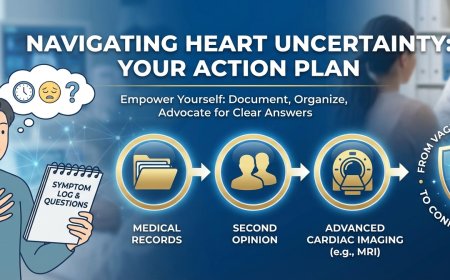
If you're experiencing cardiac symptoms and standard tests haven't given you clear answers, here's what to do:
- Write down your symptoms specifically: When they happen, how long they last, what triggers them
- List all tests you've had and their results
- Schedule a consultation with your cardiologist (or a second opinion if needed)
- Ask directly about cardiac MRI: Would it help in your specific case?
- Don't accept vague reassurances if you know something is wrong
Your heart is not something to guess about. If there's a test that can see what others can't, and you genuinely need that information, push for it.
The Bottom Line
Cardiac MRI isn't for everyone. Most people with heart concerns will be fine with standard testing.
But for those with:
- Unexplained symptoms
- Unclear test results
- High-risk family history
- Suspected structural heart disease
Cardiac MRI can be the difference between a diagnosis that saves your life and a tragedy that devastates your family.
Don't let cost, inconvenience, or a doctor's reluctance stop you from getting the most advanced diagnostic tool available when you genuinely need it.
Your heart has one job: keeping you alive. Give it the best diagnostic care possible.
If you think you might need a cardiac MRI and your current doctor hasn't discussed it, it's time for a second opinion with a cardiologist who specializes in advanced cardiac imaging.
Have you had a cardiac MRI? What was your experience? Share in the comments to help others who are considering this test.
Take Action Now
Your heart doesn't wait for convenient timing. Neither should you.
Step 1: Screenshot this article or bookmark it
Step 2: Schedule that cardiology appointment you've been postponing
Step 3: Share this with someone you love who's experiencing unexplained cardiac symptoms
Step 4: If you have concerns or need clarity, don't delay—speak to a qualified doctor today
Connect with experienced U.S.-based heart specialists for a comprehensive second opinion consultation to learn more about your health condition.
Click here to book an online second opinion with MyAmerican Doctor:
👉 myamericandoctor.com/our-doctors/
You can also enroll in our soon-to-be-launched concierge medical clinic in India, Global Concierge Doctors. We provide comprehensive, US-style primary care with 24/7 access to India-based physicians to discuss any health concerns. Furthermore, we facilitate expert referrals to local Indian specialists and, if needed, US-based specialists to evaluate and manage your health condition.
Your health decisions today shape your life tomorrow.
Take that step now.
Your life is literally in your hands right now.
Medical Disclaimer
This article is provided strictly for educational, informational, and awareness purposes only. It is not intended to be, and should not be construed as, professional medical advice, diagnosis, treatment, or a substitute for consultation with qualified healthcare professionals.
No Doctor-Patient Relationship
The information presented in this article does not establish a doctor-patient relationship between the reader and the author, publisher, or any affiliated entities. No medical decisions should be made based solely on the content of this article.
Consult Qualified Medical Professionals
If you are experiencing cardiac symptoms, chest pain, shortness of breath, unexplained fatigue, or any other health concerns mentioned in this article, seek immediate consultation with qualified cardiologists, physicians, or appropriate medical specialists. For medical emergencies, contact emergency services immediately.
Individual Medical Situations Vary
Every person's medical condition, health history, risk factors, and circumstances are unique. Diagnostic tests, treatment options, and medical recommendations must be tailored to individual patients through direct consultation with licensed healthcare providers who have access to complete medical histories and can perform proper clinical evaluations.
Not a Recommendation for Specific Tests or Treatments
References to Cardiac MRI, ECG, stress tests, echocardiograms, or any other diagnostic procedures in this article are for informational purposes only and do not constitute recommendations that you should or should not undergo these tests. All decisions regarding medical testing, diagnosis, and treatment should be made in consultation with qualified healthcare professionals based on your specific medical situation.
No Guarantee of Accuracy or Completeness
While efforts have been made to provide accurate information, medical knowledge continuously evolves. The information in this article may not reflect the most current research, clinical guidelines, or medical practices. The author and publisher make no representations or warranties regarding the accuracy, completeness, or timeliness of the content.
Do Not Disregard or Delay Professional Medical Advice
Never disregard, avoid, or delay obtaining professional medical advice from qualified healthcare providers because of something you have read in this article. If you have questions or concerns about information presented here, discuss them with your personal physician or cardiologist.
Third-Party Resources and Links
Any references to third-party medical services, clinics, doctors, or external websites are provided for informational purposes only and do not constitute endorsements. The author and publisher are not responsible for the content, services, or practices of any third-party entities.
Limitation of Liability
To the fullest extent permitted by law, the author, publisher, and affiliated entities disclaim all liability for any direct, indirect, incidental, consequential, or punitive damages arising from the use of, or reliance on, information contained in this article. This includes, but is not limited to, medical complications, financial losses, or any other adverse outcomes.
Geographic and Regulatory Considerations
Medical regulations, standards of care, insurance coverage, and availability of diagnostic tests vary by country, region, and healthcare system. Information regarding costs, procedures, and medical practices may not be applicable to all geographic locations or healthcare settings.
Your Responsibility
You acknowledge that you are solely responsible for your own health decisions and that you will consult with appropriate licensed healthcare professionals before making any medical decisions or undergoing any diagnostic tests or treatments.
Acknowledgment
By reading and using the information in this article, you acknowledge that you have read, understood, and agreed to this disclaimer in its entirety.
Last Updated: 29th January 2026
For Medical Emergencies: Contact your local emergency services immediately or go to the nearest emergency room.
What's Your Reaction?
 Like
0
Like
0
 Dislike
0
Dislike
0
 Love
0
Love
0
 Funny
0
Funny
0
 Angry
0
Angry
0
 Sad
0
Sad
0
 Wow
0
Wow
0