

Carcinogenesis: How Your Body Betrays You Cell by Cell (And Why Understanding This Could Save Your Life)
Cancer doesn't happen overnight—it's a years-long betrayal at the cellular level. Right now, cells in your body might be on the first step toward malignancy. Understanding carcinogenesis—how normal cells transform into cancer through initiation, promotion, and progression—reveals the multiple windows where you can still intervene. This isn't about fear; it's about empowerment. Learn why that exposure from 20 years ago matters today, why lifestyle changes can stop dormant cancer cells from progressing, and why early detection works. The difference between life and death often comes down to decisions made years before diagnosis. Your choices today determine your cancer story tomorrow.

At A Glance
You think cancer just "happens" overnight. One day you're fine, the next day you have cancer. Wrong. Cancer is a journey that takes months or years inside your body—a slow-motion betrayal at the cellular level. Right now, as you read this, cells in your body might be on the first step of that journey. Understanding carcinogenesis—the process of how normal cells transform into cancer—is not about scaring you. It's about showing you the multiple windows of opportunity you have to stop it. This article breaks down the stages from initiation to progression in plain language, explains why some people get cancer and others don't, and reveals the crucial intervention points where you can still win this fight.
The Question That Haunts Every Cancer Patient
"When did this start?"
"How long has this been growing inside me?"
"Could I have stopped it earlier?"
Every newly diagnosed cancer patient asks these questions. And the answer is both terrifying and empowering: cancer didn't start last week when you felt that lump. It started years ago. Maybe decades ago.
But here's what your oncologist might not take the time to explain:
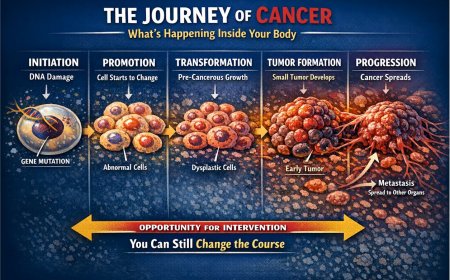
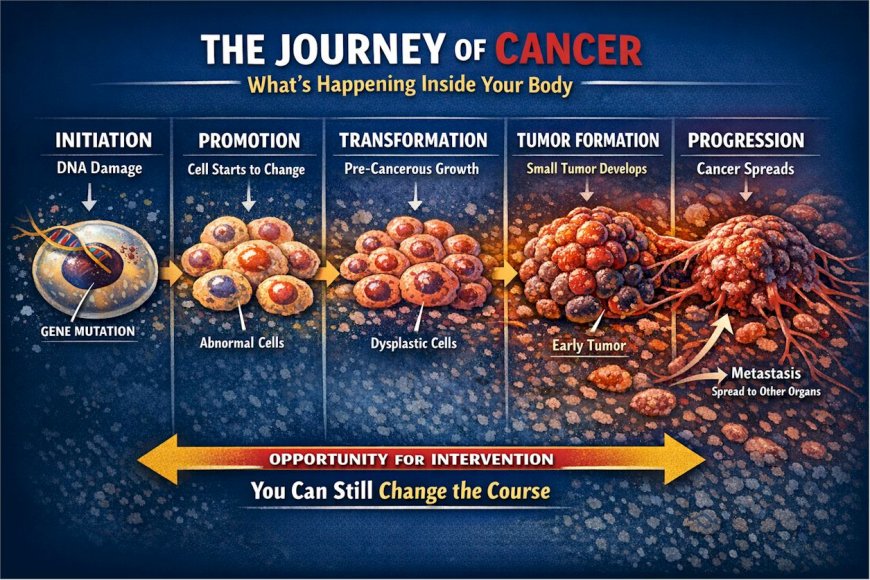
Cancer isn't a single event. It's a multi-stage process. A journey that takes a normal, healthy cell and transforms it through a series of genetic changes into a malignant tumor capable of invading tissues and spreading throughout your body.
Understanding this journey—this process called carcinogenesis—is the key to understanding:
Why cancer takes so long to develop (and why that's good news). Why early detection works. Why some exposures from 20 years ago matter today. Why you still have time to act. Where your opportunities for intervention lie.
Let us walk you through what's happening inside your body right now.
Stage 1: Initiation – The First Betrayal (You Won't Feel This)
What's Actually Happening
Initiation is the moment a normal cell's DNA gets damaged in a very specific, very dangerous way.
Think of your DNA as an instruction manual for how your cells should behave. Inside that manual are sections—genes—that control cell growth, cell division, and cell death. When those specific sections get damaged, the cell starts ignoring the rules.
This damage happens when a carcinogen (cancer-causing agent) directly attacks your DNA, or when your body's repair mechanisms fail to fix normal DNA errors.
What You're Telling Yourself
"My body deals with damaged cells all the time. It'll just fix this one too."
"I was only exposed to that chemical once."
"That was years ago—if it was going to cause cancer, it would have by now."
The Brutal Reality
Your body does handle damaged cells constantly. Thousands of them every day. Your immune system and DNA repair mechanisms are incredibly good at catching problems.
But here's what you're not considering:
Initiation is PERMANENT.
Once a cell's DNA is damaged in this specific way, it doesn't go back to normal. The genetic mutation is locked in. That cell is now initiated—primed for cancer, waiting for the next hit.
And you won't feel anything. No symptoms. No warning signs. Just a single cell, among trillions in your body, that's taken the first step toward malignancy.
Common Initiators in Your Daily Life
You think cancer initiation only happens to people who work with hazardous chemicals or smoke three packs a day.
Think again.
Tobacco smoke: Contains over 70 known carcinogens. Even secondhand smoke causes DNA damage. Gutka and pan masala directly damage cells in your mouth and throat.
Ultraviolet radiation: That "healthy glow" from the sun? UV rays are directly damaging DNA in your skin cells right now.
Viral infections: Hepatitis B and C (liver cancer), HPV (cervical, throat, and other cancers), H. pylori (stomach cancer). Chronic infections create persistent DNA damage.
Pollution: Living in Delhi or Mumbai? Air pollution particles contain carcinogens that you're inhaling daily. Your lungs are exposed to DNA-damaging agents with every breath.
Dietary carcinogens: Aflatoxins in moldy grains and nuts. Nitrosamines from processed meats. Polycyclic aromatic hydrocarbons from overcooked, charred foods.
Alcohol: Ethanol is converted in your body to acetaldehyde—a known carcinogen that damages DNA in cells lining your mouth, throat, esophagus, and liver.
Radiation: Medical imaging (CT scans, X-rays), radon gas in homes, occupational exposure. Every CT scan involves radiation exposure that can initiate cellular damage.
The initiated cell is now waiting. And it could wait years—even decades—before the next stage begins.
Stage 2: Promotion – Feeding the Beast You Don't Know Exists
What's Actually Happening
Promotion is where that single initiated cell starts multiplying.
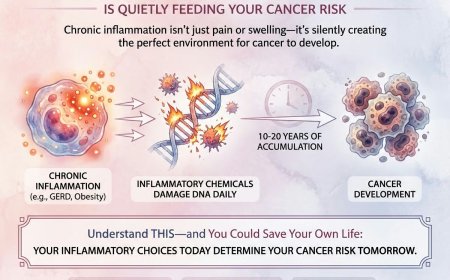
An initiated cell alone won't become cancer. It needs help. It needs the right environment—chronic inflammation, hormonal stimulation, repeated exposure to certain substances—that encourages it to divide repeatedly.
This is where your lifestyle choices come into brutal focus.
Promoters don't directly damage DNA like initiators do. Instead, they create conditions that favor the growth and division of initiated cells over normal cells.
What You're Telling Yourself
"I quit smoking five years ago, so I'm fine."
"I only drink socially—I'm not an alcoholic."
"Stress doesn't cause cancer."
"I'm eating healthy now, so the damage is reversed."
The Brutal Reality
Promotion can take 10 to 30 years. Decades where you're unknowingly creating the perfect environment for initiated cells to multiply.
And here's the devastating part: you can stop the initiation trigger but still promote existing initiated cells into pre-cancerous growth.
You quit smoking? Excellent. But those initiated cells from your smoking years are still there. And if you're now chronically stressed (promotes inflammation), drinking alcohol regularly (promotes cell proliferation), overweight (promotes hormonal imbalances), eating a high-fat, low-fiber diet (promotes digestive tract cancers), or living with chronic infections or inflammation—you're promoting those initiated cells toward cancer.
Common Promoters You're Exposed To
Chronic inflammation: Repeated infections, inflammatory bowel disease, chronic hepatitis, chronic acid reflux. Inflammation creates an environment where initiated cells thrive.
Hormones: Estrogen promotes breast and endometrial cancer. Testosterone promotes prostate cancer. Your body's own hormones, in excess or over prolonged periods, can promote cancer growth.
Continued tobacco use: Even if smoking initiated the first cells years ago, continuing to smoke promotes their growth into tumors.
Alcohol: Acts as both an initiator AND a promoter. It doesn't just damage DNA—it also promotes the growth of initiated cells.
Obesity: Fat tissue produces inflammatory chemicals and hormones that create a cancer-promoting environment throughout your body.
Diet high in processed foods: Creates chronic low-grade inflammation. Promotes insulin resistance. Alters your gut microbiome in ways that favor cancer development.
Chronic stress: Produces cortisol and other stress hormones that suppress immune surveillance and create inflammatory conditions.
The Window You're Missing
Here's what most people don't realize: promotion is REVERSIBLE.
If you remove the promoter, the initiated cells can remain dormant. They won't progress to cancer.
This is why quitting smoking reduces lung cancer risk over time. Why treating chronic hepatitis prevents liver cancer. Why losing weight reduces multiple cancer risks. Why anti-inflammatory diets show cancer-protective effects.
But you have to act DURING the promotion phase. Once progression begins, the window closes.
Stage 3: Progression – The Point of No Return
What's Actually Happening
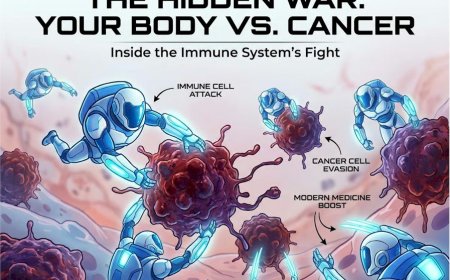
Progression is when initiated, promoted cells acquire additional mutations that give them malignant characteristics: rapid, uncontrolled growth (ignoring growth regulation signals); invasion capability (breaking through tissue barriers); metastatic potential (traveling through blood and lymph to distant sites); angiogenesis (recruiting blood vessels to feed the tumor); and immune evasion (hiding from your immune system).
This is when a cluster of abnormal cells becomes cancer. And progression happens much faster than initiation or promotion—sometimes just months or a few years.
What You're Telling Yourself
"I feel completely fine. If I had cancer, I would know."
"Cancer grows slowly—I have time to deal with it later."
"The lump is small. I'll wait and see if it gets bigger."
The Brutal Reality
By the time you have symptoms, you're often already in the progression phase.
The tumor has acquired enough mutations to grow rapidly, invade surrounding tissues, and potentially metastasize. It has its own blood supply. It's actively evading your immune system. It's no longer just a cluster of abnormal cells—it's a biological entity working to survive and spread.
And here's what terrifies oncologists: progression accelerates.
A cancer that took 20 years to initiate and promote can double in size every few months during progression. The genetic instability that defines cancer means it's acquiring new mutations rapidly—some of which make it more aggressive, more invasive, more resistant to treatment.
This is why early detection matters so much. You want to catch cancer before progression or in early progression when treatment is most effective.
The Metastatic Cascade
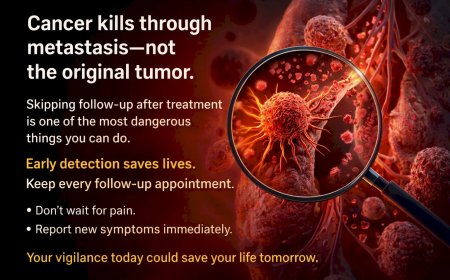
Once cancer reaches advanced progression, it can metastasize through a series of steps: local invasion (cancer cells break through the basement membrane separating tissues); intravasation (cells enter blood vessels or lymphatic vessels); survival in circulation (cancer cells endure the hostile environment of your bloodstream); extravasation (cells exit blood vessels at distant sites); and finally colonization (cells establish new tumors in distant organs such as liver, lungs, bones, and brain).
Metastatic cancer—cancer that has spread to distant organs—is the cause of approximately 90% of cancer deaths. Not the primary tumor. The metastases.
Why Your Brain Is Your Own Worst Enemy
Let us explain the psychology that's costing lives every day.
Optimism Bias
Your brain is hardwired to believe "it won't happen to me." This cognitive bias makes you underestimate your personal risk while accurately assessing risk for others.
You read about cancer statistics and think, "That's terrible, but I'm probably not in that percentage."
This bias keeps you from getting recommended screenings, investigating persistent symptoms, making lifestyle changes, and taking family cancer history seriously.
Temporal Discounting
Your brain values immediate comfort over future consequences. The effort and discomfort of getting screened TODAY feels worse than the abstract threat of cancer YEARS from now.
This is why you skip colonoscopy appointments (uncomfortable now), avoid mammograms (time-consuming and uncomfortable now), don't quit smoking (nicotine withdrawal now vs. lung cancer later), and postpone seeing a doctor about symptoms (anxiety about bad news now).
The "It Can't Be That Serious" Trap
Your brain actively searches for benign explanations for symptoms: "This cough is just allergies." "I'm tired because I'm working hard." "The weight loss is from stress." "Blood in stool is just hemorrhoids."
Each explanation gives you permission to avoid confronting the scarier possibility.
Real Stories of Carcinogenesis Playing Out in Real Lives
Ajay, 52, Mumbai
Initiation: Age 20, started smoking cigarettes. DNA damage to lung cells begins. Initial genetic mutations locked in.
Promotion: Ages 20–45, continued smoking 10–15 cigarettes daily. Living in Mumbai with high air pollution. Chronic low-grade inflammation in lungs. Initiated cells multiplying slowly over 25 years.
Progression: Age 48, developed persistent cough. Dismissed as "smoker's cough." Cough worsens over next 18 months. Finally sees doctor at age 50.
Diagnosis: Stage 3A lung cancer. Tumor in right upper lobe with lymph node involvement.
His words: "I thought lung cancer took 50 years to develop. I didn't realize the process started with my first cigarette and that I was promoting it for decades. If I'd stopped smoking at 30, or gotten a screening at 45, everything would be different."
Meera, 38, Bangalore
Initiation: Age 16, HPV infection. Virus integrates into cervical cells, causing genetic changes.
Promotion: Ages 16–35, never gets Pap smear. Persistent HPV infection creates chronic inflammation. Abnormal cells slowly accumulating on cervix. Smoking in her 20s further promotes cell changes.
Progression: Age 36, abnormal cells acquire additional mutations. Cervical dysplasia progresses to invasive cervical cancer over 18 months.
Diagnosis: Stage 2B cervical cancer discovered during routine gynecology visit prompted by abnormal bleeding.
Her words: "I knew I should get Pap smears. I just never made time. And I thought cervical cancer only happened to older women or women with multiple partners. The HPV was probably there since I was a teenager—waiting, being promoted by my smoking and neglect. Two decades of me thinking 'I'll do it next year.'"
The Deadly Excuses That Let Carcinogenesis Win
Excuse #1: "Cancer doesn't run in my family"
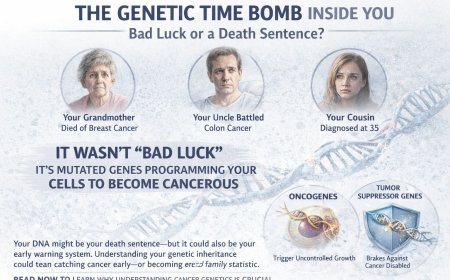
The Reality: Only 5–10% of cancers are purely hereditary. The vast majority are caused by the interaction of genetic susceptibility with environmental and lifestyle factors.
Your lack of family history doesn't protect you from smoking-induced lung cancer, HPV-induced cervical cancer, alcohol-induced liver cancer, obesity-induced colon cancer, or UV-induced skin cancer.
Excuse #2: "I'm too young for cancer"
The Reality: Cancer rates in younger adults (ages 20–49) are rising globally, particularly for colorectal, breast, and thyroid cancers.
Carcinogenesis doesn't care about your age. If you've been exposed to initiators and promoters, the process is underway regardless of your birth year.
Excuse #3: "I'm healthy—I exercise and eat well"
The Reality: An excellent lifestyle significantly reduces cancer risk but doesn't eliminate it.
You can't exercise away genetic mutations from previous years of smoking, occupational chemical exposures, viral infections such as HPV and Hepatitis, radiation exposure, or inherited genetic variants.
Healthy lifestyle matters enormously for prevention, but it doesn't reverse existing genetic damage or guarantee you won't get cancer.
Excuse #4: "Screening tests are invasive and uncomfortable"
The Reality: Yes, colonoscopy is uncomfortable. Mammograms compress breast tissue. Pap smears are awkward.
But consider what's more uncomfortable: chemotherapy, surgery, radiation burns, permanent colostomy bags, months of hospitalization, and a terminal diagnosis. One hour of discomfort for a screening versus months of suffering from late-stage cancer treatment—the choice is clear.
Excuse #5: "I'm too scared to find out"
The Reality: This fear is completely understandable. Finding out you have cancer is terrifying.
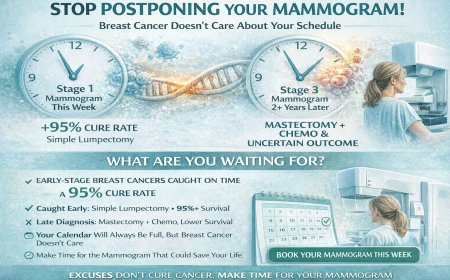
But here's what you're not considering. Finding out early—through screening, before symptoms appear—typically means Stage 1 or 2, high treatability, excellent survival rates, less aggressive treatment, and a better quality of life during and after treatment. Finding out late—when symptoms have already appeared—typically means Stage 3 or 4, greater difficulty treating, lower survival rates, aggressive and toxic treatments, and significantly impaired quality of life.
Your fear is making you choose the worse outcome.
What You MUST Do NOW: Interrupting Carcinogenesis
You cannot change initiation that already happened years ago. Those genetic mutations are permanent.
But you CAN interrupt promotion and catch progression early. Here's how.
Immediate Actions (This Week)
1. Eliminate or Reduce Promoters
Quit tobacco in all forms—cigarettes, gutka, pan masala, hookah. Reduce alcohol consumption or eliminate it entirely. Schedule treatment for chronic infections including Hepatitis B/C, H. pylori, and HPV. Address chronic inflammatory conditions with your doctor.
2. Schedule Overdue Screenings
Women: Get a Pap smear if you haven't had one in 3 or more years (ages 21–65). Get a mammogram if you're 40 or older and haven't had one in the past year. Consider genetic testing if you have a strong family history of breast or ovarian cancer.
Men: Discuss prostate screening with your doctor if you're 50 or older, or 45 or older if of African descent or with a strong family history. Perform testicular self-examination monthly if aged 15–35.
Both: Get a colonoscopy if you're 45 or older and have never had one, or per your doctor's recommendation. Have a skin check by a dermatologist if you have concerning moles or extensive sun exposure. Get the HPV vaccination if under age 26—even if already sexually active, as it prevents additional strains.
3. Book a Comprehensive Physical
Bring a list of any persistent symptoms lasting three or more weeks, your full family cancer history including cancer types and ages at diagnosis, your occupational and environmental exposure history, and your lifestyle factors. Ask your doctor directly: "Based on my risk factors and age, what cancer screenings should I be getting?"
Long-Term Strategies (Starting This Month)
Anti-Promotion Lifestyle
These changes don't reverse genetic damage, but they can keep initiated cells dormant.
Nutrition: A high-fiber diet rich in fruits, vegetables, and whole grains reduces colorectal cancer promotion. Antioxidants may reduce oxidative DNA damage.
Exercise: 150 or more minutes of moderate activity weekly reduces inflammation, regulates hormones, and improves immune surveillance.
Weight management: Maintaining a healthy BMI reduces multiple cancer promoters including excess estrogen, inflammatory cytokines, and insulin resistance.
Stress management: Chronic stress suppresses immune function. Regular meditation, yoga, or therapy can modulate stress hormones.
Sleep: Seven to nine hours nightly. Sleep deprivation impairs DNA repair mechanisms and immune function.
Limit processed foods: High-heat cooking, processed meats, and artificial additives are all potentially promotion-enhancing.
Environmental Protection
Use air purifiers if you live in high-pollution areas. Wear sunscreen daily (SPF 30 or higher) and protective clothing. Test your home for radon, which is the second leading cause of lung cancer. Use protective equipment if you have occupational exposure to carcinogens. Filter drinking water if it may be contaminated with arsenic, nitrates, or other carcinogens.
Professional Support Options
If you're experiencing possible cancer symptoms, seeking a second opinion, or unsure which tests or treatments are right for you, don't wait. Speak with a qualified oncologist today.
Connect with experienced U.S.-based cancer specialists for a comprehensive second-opinion consultation. They will carefully review your case and help determine the most appropriate next steps for your individual health needs:
👉 https://myamericandoctor.com/our-doctors/
You may also choose to enroll in our upcoming concierge medical clinic in India, Global Concierge Doctors. We offer U.S.-style primary care with 24/7 access to India-based physicians for ongoing guidance on any health concern. When required, we coordinate referrals to trusted specialists in India and the U.S. for advanced evaluation and care.
Your health decisions today shape your life tomorrow.
The Final Word: Your Cells Are Talking—Are You Listening?
Carcinogenesis is happening right now, in millions of people, including possibly you.
The beautiful and terrible truth is this: cancer development is a PROCESS, not an EVENT.
That means you have multiple opportunities to intervene. Prevent initiation by avoiding carcinogens when possible. Stop promotion by removing promoters and adopting a cancer-protective lifestyle. Catch progression early by getting appropriate screenings.
The difference between someone who dies of cancer and someone who never develops it often comes down to decisions made years or decades before diagnosis.
Decisions like going to that screening appointment you keep postponing. Quitting tobacco this month instead of "next year." Investigating that symptom this week instead of waiting. Treating that chronic infection now instead of later. Making those lifestyle changes today instead of "when I'm ready."
Your cells are already writing your cancer story. The question is: what chapter are you in?
And more importantly: are you willing to change how the story ends?
Every day matters. Every choice counts. Every screening could be the one that catches cancer when it's still curable.
Take Action NOW
Step 1: Stop reading and open your phone.
Step 2: Book appointments for any overdue cancer screenings.
Step 3: Schedule a physical with your primary doctor to discuss your cancer risk profile.
Step 4: If you smoke or use tobacco, make an appointment with a smoking cessation specialist this week.
Step 5: If you have persistent symptoms lasting three or more weeks, call for an appointment today.
Your life is not predetermined. Your genetic mutations are not your destiny.
But your choices about when and whether to act—those choices determine everything.
Choose action. Choose early. Choose NOW.
Reader Poll
Where are you in your cancer prevention journey?
[ ] I'm up to date on all recommended screenings [ ] I have overdue screenings but will schedule them this week [ ] I have symptoms I've been ignoring and will see a doctor this week [ ] I'm not sure what screenings I need but will ask my doctor [ ] I engage in lifestyle behaviors that promote cancer and need to make changes
Share This Article
Know someone who smokes or uses tobacco and keeps saying they'll quit "eventually"? Someone who is overdue for cancer screenings and making excuses? Someone with persistent symptoms who keeps explaining them away? Someone who thinks "cancer doesn't run in my family" means they're safe?
Share this article. Understanding carcinogenesis could save their life.
Medical Disclaimer
This article is provided strictly for educational, informational, and awareness purposes only. It is not intended to be, and should not be construed as, professional medical advice, diagnosis, treatment, or a substitute for consultation with qualified healthcare professionals.
No Doctor-Patient Relationship
The information presented in this article does not establish a doctor-patient relationship between the reader and the author, publisher, or any affiliated entities. No medical decisions should be made based solely on the content of this article.
Consult Qualified Medical Professionals
If you are experiencing any symptoms mentioned in this article, have been diagnosed with cancer, or have concerns about cancer risk, seek immediate consultation with qualified oncologists, physicians, or appropriate medical specialists. For medical emergencies, contact emergency services immediately.
Individual Medical Situations Vary
Every person's medical condition, health history, risk factors, cancer type, and circumstances are unique. Diagnostic tests, treatment options, and medical recommendations must be tailored to individual patients through direct consultation with licensed healthcare providers who have access to complete medical histories and can perform proper clinical evaluations.
Not a Recommendation for Specific Tests or Treatments
References to biopsies, imaging studies (CT scans, PET scans, MRI), blood tests, tumor markers, chemotherapy, radiation therapy, immunotherapy, targeted therapy, surgery, or any other diagnostic procedures and treatments in this article are for informational purposes only and do not constitute recommendations that you should or should not undergo these tests or treatments. All decisions regarding medical testing, diagnosis, and treatment should be made in consultation with qualified healthcare professionals based on your specific medical situation.
No Guarantee of Accuracy or Completeness
While efforts have been made to provide accurate information, medical knowledge continuously evolves, particularly in the rapidly advancing field of oncology. The information in this article may not reflect the most current research, clinical guidelines, treatment protocols, or medical practices. The author and publisher make no representations or warranties regarding the accuracy, completeness, or timeliness of the content.
Do Not Disregard or Delay Professional Medical Advice
Never disregard, avoid, or delay obtaining professional medical advice from qualified healthcare providers because of something you have read in this article. If you have questions or concerns about information presented here, discuss them with your personal physician or oncologist. Early detection and prompt treatment significantly improve cancer outcomes.
Third-Party Resources and Links
Any references to third-party medical services, clinics, doctors, cancer centers, or external websites are provided for informational purposes only and do not constitute endorsements. The author and publisher are not responsible for the content, services, or practices of any third-party entities.
Limitation of Liability
To the fullest extent permitted by law, the author, publisher, and affiliated entities disclaim all liability for any direct, indirect, incidental, consequential, or punitive damages arising from the use of, or reliance on, information contained in this article. This includes, but is not limited to, medical complications, treatment decisions, financial losses, or any other adverse outcomes.
Geographic and Regulatory Considerations
Medical regulations, standards of care, insurance coverage, availability of diagnostic tests, treatment protocols, and access to cancer therapies vary by country, region, and healthcare system. Information regarding procedures and medical practices may not be applicable to all geographic locations or healthcare settings.
Clinical Trials and Experimental Treatments
Any references to clinical trials, experimental treatments, or investigational therapies are for informational purposes only. Participation in clinical trials should only be considered after thorough discussion with your oncology team and understanding of all risks and benefits.
Your Responsibility
You acknowledge that you are solely responsible for your own health decisions and that you will consult with appropriate licensed healthcare professionals before making any medical decisions or undergoing any diagnostic tests or treatments.
Acknowledgment
By reading and using the information in this article, you acknowledge that you have read, understood, and agreed to this disclaimer in its entirety. You further acknowledge that this article has been created with the assistance of artificial intelligence. While every effort has been made to ensure accuracy, AI-generated content may occasionally contain errors, omissions, or inaccuracies. The information presented here is intended solely for educational and informational purposes and should not be relied upon as a substitute for professional medical advice. Readers are strongly encouraged to consult qualified healthcare professionals, refer to peer-reviewed medical literature, and cross-reference information from established clinical sources before making any health-related decisions.
Last Updated: 4th February 2026
What's Your Reaction?
 Like
0
Like
0
 Dislike
0
Dislike
0
 Love
0
Love
0
 Funny
0
Funny
0
 Angry
0
Angry
0
 Sad
0
Sad
0
 Wow
0
Wow
0